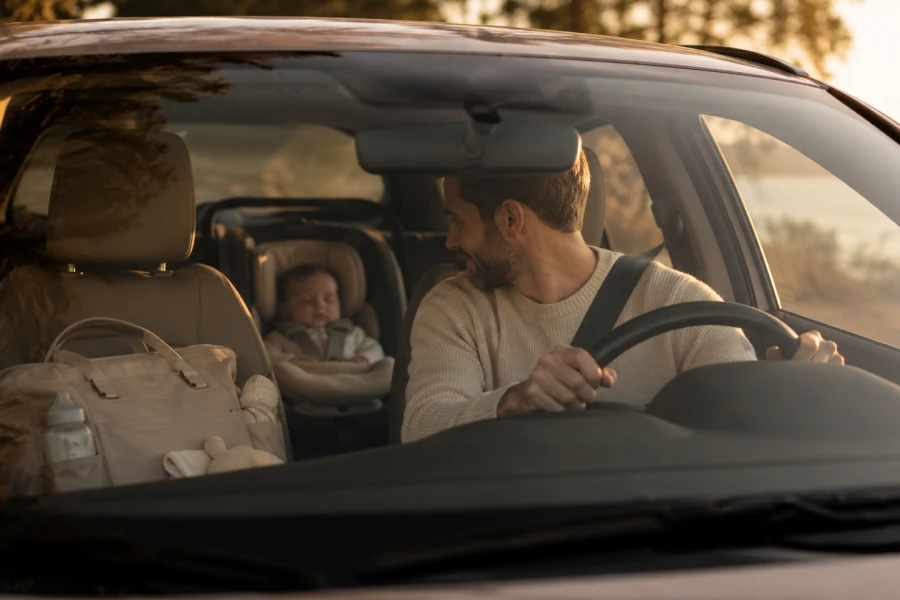
Newborn car travel tips can make the difference between a rushed, stressful outing and a drive that feels prepared from the beginning. New parents often focus on the destination, but the real success happens before the car leaves the driveway. Feeding timing, car seat readiness, diaper supplies, and parent energy all matter. A newborn brings new variables into every trip. That does not mean travel has to feel impossible. It means preparation needs to be thoughtful and realistic. With new parent driving tips, families can create a calmer rhythm before the first mile.
The most useful newborn car travel tips start with timing and expectations. A newborn may need feeding, changing, burping, or soothing right when you hoped to leave. Build extra time into every plan. Leaving early prevents one delay from becoming a crisis. Check the weather before dressing your baby. Make sure clothing works safely with the car seat harness. Think through the trip length and your own comfort too. If the destination is flexible, choose a less crowded time. Good travel begins with fewer rushed decisions. A calm parent can handle surprises more effectively than a frantic one.
Even short trips benefit from planning, and longer drives require more thought. Babies need breaks, safe feeding opportunities, diaper changes, and time out of the car seat when appropriate. Families considering newborn road trip prep should map realistic stopping points before leaving. Do not rely on luck when your baby becomes hungry or uncomfortable. Pack supplies in a way that makes stops efficient. Keep essentials accessible, not buried under luggage. Expect the drive to take longer than it once did. That expectation protects your mood and your baby’s comfort.
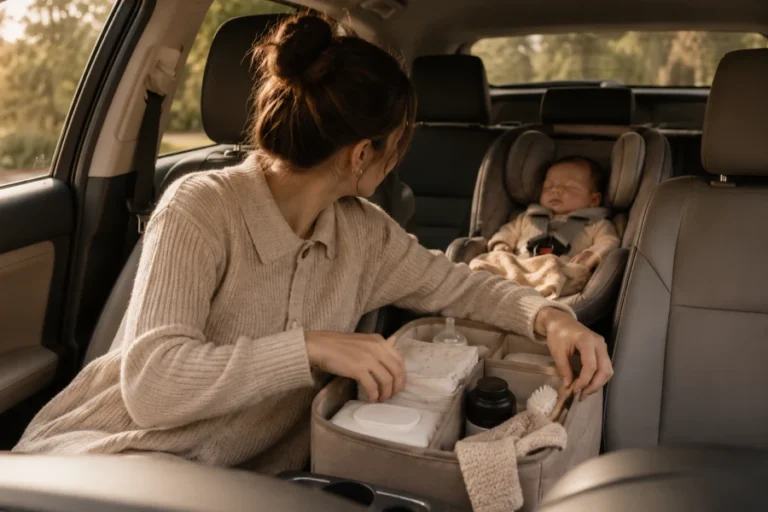
Feeding and diaper needs often shape the whole outing. Newborn car travel tips should include a simple feeding plan before departure. Feed when appropriate, burp carefully, and allow enough time for comfort before buckling in. Pack more diapers than you expect to use. Include wipes, disposable bags, a changing pad, and spare clothes. A backup shirt for the parent can also save the day. Diaper leaks rarely happen at convenient times. Preparation turns them into manageable interruptions. Keep the diaper kit organized and easy to reach after parking. Fast access reduces stress during messy moments.
Some babies sleep easily in the car, while others protest almost immediately. Parents cannot control every reaction, but they can prepare thoughtfully. A steady departure routine, comfortable temperature, and reduced overstimulation can support calm baby car rides. Keep safe comfort items ready for use outside the sleep space when appropriate. Use sound carefully and avoid loud surprises. Drive smoothly when possible. If crying escalates, pull over safely before responding. The safest soothing choice is never worth distracted driving. Calm starts with your decisions behind the wheel.
Weather complicates newborn travel quickly. Newborn car travel tips should account for heat, cold, rain, and bright sun. Dress your baby in thin layers that work safely with the harness. Avoid bulky coats under straps. Use car temperature thoughtfully before placing your baby inside. Keep a light blanket available for use after buckling if appropriate. In warm weather, check that the seat and buckles are not hot. Plan parking and shade when possible. Weather preparation is not dramatic, but it prevents discomfort. A baby who feels too hot or too cold may struggle to settle.
A family car can become cluttered quickly after a newborn arrives. Diaper supplies, blankets, bottles, toys, wipes, bags, and parent items all compete for space. Practical family car organization keeps the vehicle functional. Use one secured container for baby basics and another for parent emergency items. Remove trash after every trip. Restock before supplies run low. Keep the back seat clear of loose objects. Organization supports both safety and sanity. When the car feels controlled, leaving home feels less overwhelming.
Newborn car travel tips are not only about the baby. They also protect the parent’s limited energy. Newborn care already demands constant attention, and travel adds another layer of planning. A prepared car, realistic timing, and flexible expectations reduce emotional strain. You may still have crying, delays, and messy moments. That is normal. The difference is that you have a plan. You know where supplies are. You know when to pull over. You know how to adjust. That confidence makes future outings easier. Every prepared drive teaches you that life outside the house is possible again.



Leave a comment